Imagine this: You’ve had your sleek, new leased sedan for just over a year. You love the low monthly payments and the fact that you’re always under warranty.
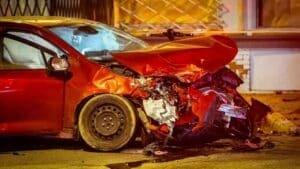
Then, one rainy Tuesday, a driver runs a red light and T-bones you. The car is a total loss. You’re shaken, but you remember you have “full coverage” insurance. You breathe a sigh of relief—until the insurance check arrives.
The check is for $22,000. That’s the “Actual Cash Value” (ACV) of your car today. The problem? You still owe the leasing company $28,000. You now have a $6,000 hole in your pocket, a car that’s scrap metal, and a lease obligation that won’t go away just because the car is gone. Welcome to the harsh reality of auto depreciation.
This scenario plays out thousands of times a day across the country. In fact, the number of total-loss claims in 2023 was 29% higher than in 2020, leaving many drivers holding the bag for thousands of dollars. This is where gap insurance on a leased vehicle steps in to save the day—and your bank account.
Table of Contents
In this guide, we’re going to tear apart the fine print, explain exactly how leasing changes the insurance game, and help you decide if you need this coverage (spoiler alert: you probably do). We’ll look at costs, alternatives, and the sneaky tricks dealerships use to overcharge you.
What is Gap Insurance and Why is it Non-Negotiable for Leases?
Let’s start with the basics. GAP stands for Guaranteed Asset Protection (or sometimes “Guaranteed Auto Protection”). In plain English, it’s the financial bridge between what your car is worth now and what you still owe on it.

The Depreciation Trap
New cars lose value the moment you drive them off the lot. According to depreciation data, a vehicle can lose about 20% of its value in the first year alone. Over five years, most cars lose roughly 60% of their initial value.
When you buy a car with a loan, you are the owner. If the car gets totaled, you are responsible for paying off the loan. When you lease a car, you are borrowing it for a set term. You are responsible for the car’s value during that term.
Here is the critical difference:
- Standard Insurance (Collision/Comprehensive): Pays the Actual Cash Value (ACV) of the vehicle at the moment of loss.
- Lease Contract: Requires you to pay the agreed-upon lease balance, which is based on the car’s projected value at the start of the lease.
Because cars depreciate faster in the first two years than you pay down the principal, you are almost always “upside-down” or in a “negative equity” position during the first half of your lease. If the car is totaled, the ACV will almost certainly be less than the remaining lease payments .
How Gap Insurance Works
Gap coverage pays the difference. If your insurance company pays the leasing company the ACV of the car, and you still owe $5,000 on the lease, gap insurance writes a check for that $5,000.
| Scenario | Without Gap Insurance | With Gap Insurance |
| Actual Cash Value (Insurance Payout) | $22,000 | $22,000 |
| Remaining Lease Balance | $28,000 | $28,000 |
| The “Gap” | $6,000 (You owe this out of pocket) | $6,000 (Gap insurance pays this) |
| Your Out-of-Pocket Cost | $6,000 + your deductible | $0 (or just the deductible) |
Note on Deductibles: Some gap insurance policies also reimburse you for your comprehensive or collision deductible, though this varies by provider.
Is Gap Insurance Required on a Lease? (The Fine Print)
The short answer is: Usually, yes. However, the way it is presented varies.
The Lease Contract Requirement
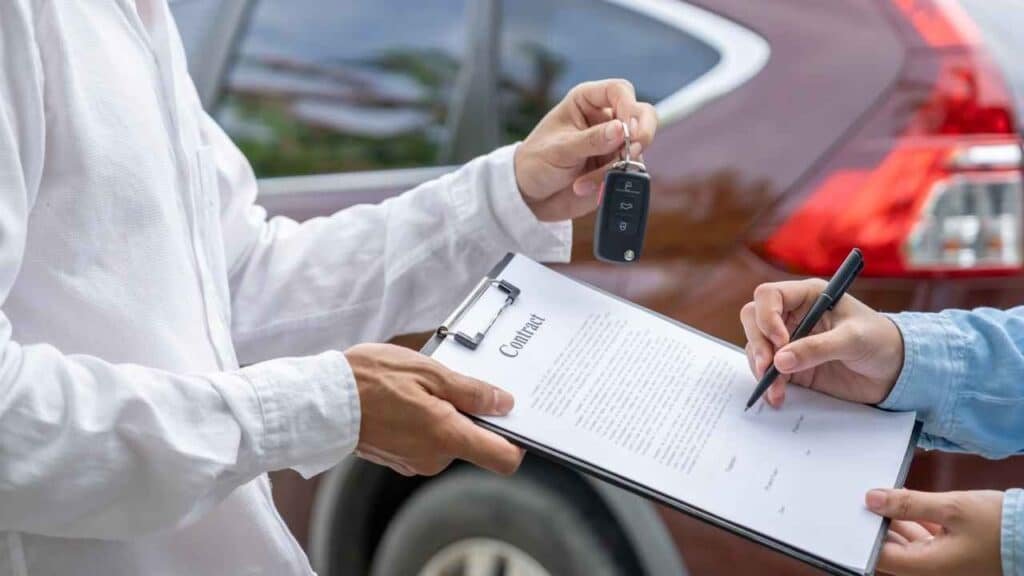
Most leasing companies (lessors) require gap insurance . Because they still own the car, they want to ensure that if the vehicle is destroyed, their loan is paid off in full. They do not want to chase you for the difference if the insurance check falls short.
Waiver vs. Insurance: A Key Distinction
When you look at your lease paperwork, you might not see the words “Gap Insurance.” You might see a “Gap Waiver.”
- Gap Insurance: A policy you buy from an insurance company.
- Gap Waiver: An agreement with the dealer or lender stating that they will waive (forgive) the remaining balance if the car is totaled, up to a certain amount.
In practice, they function the same way for the consumer: they erase the debt. However, the cost structure differs significantly (which we’ll get to in the pricing section).
The “Automatic” Inclusion Trap
Some luxury leases or promotional leases include gap coverage baked into the monthly payment. Do not assume this is the case. You must look for the line item on your contract. If you don’t see it, ask specifically, “Is a gap waiver included in this contract, or do I need to purchase it separately?”
Also Read: APPI Gap Insurance Complete Guide!
How Much Does Gap Insurance Cost? (Dealer vs. Insurer)
This is where most drivers get financially burned. The cost of gap insurance varies wildly depending on where you buy it.
The Dealership Markup (The $700 Mistake)
When you are sitting in the finance manager’s office at the end of a long day of negotiation, they will often present gap insurance as a “must-have” costing between $400 and $700 as a one-time fee.
- Why it’s expensive: Dealers mark this up for profit. They sell a policy for $700 that costs them $200.
- The hidden cost: If you roll this $700 fee into your lease, you are paying interest on it for the entire lease term. That $700 could actually cost you $800 or $900 by the time you’ve paid it off.
The Insurance Company Bargain
Your auto insurance provider is almost always the cheaper route. Adding gap coverage (often called “Loan/Lease Payoff Coverage”) to your existing auto policy is surprisingly affordable.

- Average Cost: Adding gap coverage to your policy typically costs between $20 and $100 per year.
- Total Cost: Over a typical 3-year lease, you might pay $150 to $300 total.
Cost Comparison Table
| Provider | Average Cost Structure | Total Cost (3-Year Lease) | Pros | Cons |
| Car Dealership | One-time fee ($400 – $700) | $400 – $700+ | Convenient (added to lease); No monthly bill. | Very expensive; You pay interest on it; Difficult to cancel. |
| Auto Insurer | Annual premium ($20 – $100/year) | $60 – $300 | Cheap; Prorated refunds if you cancel; Can bundle. | Requires you to have comprehensive/collision already. |
| Bank/Credit Union | One-time fee or financed | $500 – $700 | Often required by lender. | High cost; Similar to dealer pricing.Bank/Credit Union |
The Verdict: Unless your lease agreement mandates a specific dealer-provided policy (rare), buy gap insurance from your auto insurance company. A 2025 analysis shows that buying from a dealership can cost 100% to 250% more than buying from an insurer .
When You Might NOT Need It (The Exceptions)
While gap insurance is highly recommended for leases, there are specific scenarios where buying it is simply throwing money away.
1. The “Big Down Payment” or “One-Pay” Lease
If you made a substantial down payment (capitalized cost reduction) on your lease—say, 20% or more—or if you paid for the entire lease upfront, your monthly depreciation is covered. In this case, you may never be “upside-down” because you’ve already pre-paid the depreciation curve .
2. Low Mileage / High Residual Value Deals
Sometimes, manufacturers offer insane residual values on leases to move inventory. If the leasing company guarantees the car will be worth 60% of its value after three years (and you put money down), the loan balance might always be lower than the market value. Check your lease agreement for the “purchase option” amount versus the current Kelley Blue Book value.
3. The Lease is Almost Over
If you are in the final 6-9 months of your lease, the amount you owe is likely very close to the car’s residual value. At this point, the financial gap is so small that self-insuring (just paying the difference if a wreck happens) might be cheaper than buying a new policy.
4. The Contract Already Has a Waiver
As mentioned earlier, some luxury leases (like BMW Financial or Mercedes-Benz Financial Services) sometimes include gap protection in the standard terms. Read your contract. If it states that the lender accepts the insurance settlement as payment in full, you have a gap waiver built in.
The 5 Hidden Pitfalls of Leased Vehicle Insurance
Beyond the basic gap calculation, leasing introduces complexities that can leave you with a bill even after the gap is covered.

1. The “Multiple Security Deposits” Confusion
Some leases use MSDs to lower the money factor (interest rate). If your car is totaled, what happens to those deposits? Usually, they are refunded to you. However, if you owe a gap, the leasing company may try to apply that deposit to the debt first. Gap insurance typically covers the debt, preserving your cash deposit for return.
2. Higher Liability Requirements
Leasing companies require higher liability limits than state minimums. The common standard is 100/300/50 ($100,000 injury per person, $300,000 per accident, $50,000 property damage). If you drop your limits to save money, you breach your lease contract.
3. Deductible Limits
You might want a $1,000 deductible to lower your monthly premium. Most leasing contracts cap your deductible at $500. Going higher puts you in violation, potentially forcing the leasing company to place expensive “force-placed” insurance on the car (which covers them, not you, and costs a fortune).
4. Wear and Tear vs. Total Loss
Gap insurance only covers total theft or total destruction. It does not cover the “excessive wear and tear” charges you might get at the end of the lease. That scratched bumper or worn tire is a separate bill you’ll have to negotiate separately.
5. GAP Does Not Cover Rolled-Overage
If you go over your mileage allowance, the lease contract penalizes you (usually $0.15 to $0.25 per mile). If the car is totaled, will gap insurance cover those mileage overage fees? Usually, no. Standard gap coverage pays the difference between ACV and the lease payoff amount, but the lease payoff amount often includes mileage penalties in the calculation of the “buyout.” Always ask your insurer, “Does your policy cover the contractual lease balance, including disposition fees and excess mileage?”
How to Buy Gap Insurance for a Lease (Step-by-Step)
If you’ve determined you need it (and you likely do), here is the step-by-step roadmap to getting covered without overpaying.
Step 1: Read Your Lease Contract (The “Gap” Section)
Look for the terms “Gap Waiver,” “Guaranteed Auto Protection,” or “Early Termination Liability.” Find out if coverage is mandatory and if it is already included. Note the required liability limits and deductible caps .
Step 2: Call Your Current Auto Insurer
Before you sign anything at the dealership, call Progressive, GEICO, State Farm, or whoever you use. Ask them:
- “Do you offer Loan/Lease Payoff coverage?”
- “What is the annual premium?”
- “What is the maximum payout? (e.g., 25% of ACV)?”
Step 3: Compare with the Dealer Quote
When the finance manager offers you gap coverage for $695, you can now confidently say, “My insurance company offers this for $40 a year. Can you match that?” If they refuse (they will), you know to decline and handle it yourself.
Step 4: Adjust Your Policy
Once you accept the lease, call your insurer and add the coverage. Provide your insurer with the leasing company’s name and address as the “loss payee” on the policy. This ensures the insurance check is made out correctly in the event of a claim.
Step 5: Monitor the Timeline
Keep the gap insurance active for the first 2-3 years of the lease. Once you reach the point where your lease buyout amount is less than the car’s market value, you can cancel the gap endorsement and save the premium for the remainder of the lease.
Also Read: Classic GAP Insurance Complete Guide!
The “Better Than GAP” Alternatives
While standard gap insurance is great, there are a few other terms you might hear about.
- New Car Replacement Coverage: This is superior to gap insurance but more expensive. Instead of paying the ACV, your insurer agrees to give you a brand new car of the same make and model if your car is totaled in the first year or two. This effectively eliminates the gap by resetting the value to zero.
- Lease Wear and Tear Insurance: This is a separate product sold at the end of the lease to cover the cost of dings, scratches, and normal wear. This covers your security deposit return, not the total loss scenario.
- Umbrella Insurance: While not a replacement for GAP, an umbrella policy provides excess liability coverage. If you cause an accident with your leased car and are sued for $500,000, your liability insurance pays the first $300k, and the umbrella pays the remaining $200k. It protects your assets, not the car’s value.
Frequently Asked Questions
1. Can I get gap insurance after I already leased the car?
Yes. You are not locked in at the dealership. You can call your insurance company at any time during the lease term and add gap coverage, provided you already have comprehensive and collision coverage.
2. Does gap insurance cover theft?
Yes, absolutely. Gap insurance applies if the vehicle is stolen and not recovered (a total loss under comprehensive coverage). It pays the difference between the comprehensive settlement and your lease balance.
3. What if I trade in my leased car early?
If you trade in or sell the leased vehicle (assuming you have a purchase option), you will likely have a payoff amount. If you have gap insurance through your auto insurer, you can cancel it and receive a prorated refund for the unused premium.
4. Does full coverage insurance include gap?
No. This is a massive misconception. “Full coverage” usually refers to Liability + Collision + Comprehensive. It does not include Gap coverage. You must add Gap as an endorsement.
5. Does gap insurance cover my down payment if the car is a lemon?
No. Gap insurance only covers the financial loss from a physical total loss (accident/theft). It does not cover mechanical failures or “lemon law” buybacks.
6. My lease agreement says I need GAP, but I have it through my insurer. Is that ok?
Yes. Most leasing companies accept third-party gap insurance from a major insurer. However, you must provide them with proof (a declarations page) showing that you have the coverage. Never cancel the insurance without providing proof of new coverage to the leaseholder.
7. What is the difference between “Loan/Lease Payoff” and “GAP”?
Functionally, they are the same, but there can be a cap. For example, Progressive’s “Loan/Lease Payoff” coverage pays up to 25% of the car’s ACV to cover the gap. Traditional gap insurance might cover the entire difference regardless of percentage. Always check the policy limits.
Conclusion
Leasing a car is a commitment to paying for the vehicle’s depreciation. When you combine rapid depreciation with the strict requirements of a leasing contract, gap insurance on a leased vehicle transforms from an “optional add-on” into a critical financial safety net.
For the price of a couple of takeout lunches per year ($20 to $60 annually), you can protect yourself from a potential $5,000 to $10,000 disaster.
The key takeaway is simple: Avoid the dealership’s marked-up gap policy. Instead, add it to your existing auto insurance policy before you drive off the lot.
Your Action Plan:
- Review your lease agreement right now to see if gap is required or included.
- Contact your auto insurance provider for a quote on “Loan/Lease Payoff” coverage.
- At the dealership, politely decline their expensive gap insurance, knowing you have a better option waiting for you at home.
Have you had experience with a totaled leased car? Share your story in the comments below to help other drivers navigate this tricky part of car leasing!