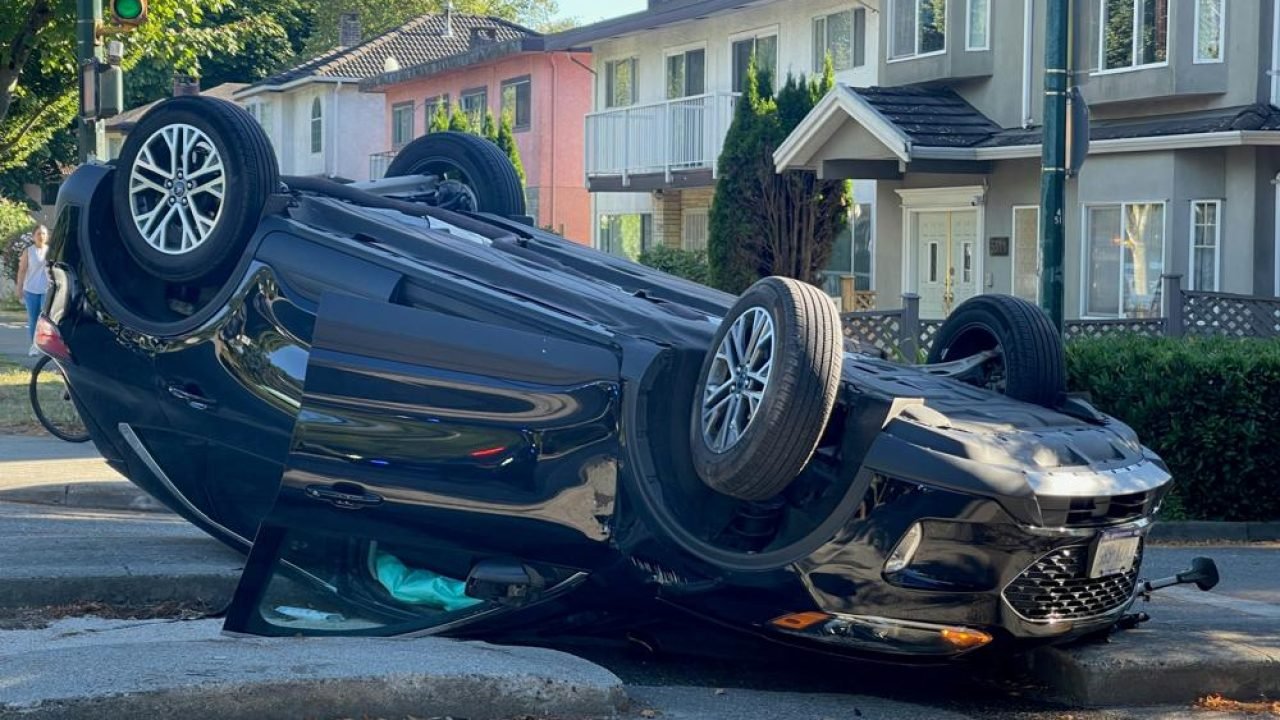
Have you ever thought about what would happen if your brand-new Hyundai suddenly gone?
Buying a new Hyundai—whether it’s a stylish Sonata or a strong, family-ready Palisade—feels amazing. You drive off the lot proud, excited, and confident in your choice. But here’s something most people don’t think about right away: the moment you leave the dealership, your car starts losing value. In fact, many new cars can lose around 20% of their value in the first year alone.
Now picture this. You buy a brand-new Hyundai Elantra for $25,000 and put only 5% down. Everything feels fine—until one year later, an accident totals your car. Your regular car insurance pays what the car is worth at that time, maybe around $20,000 after depreciation. But your loan balance is still close to $23,000.
That means you’re suddenly stuck paying thousands of dollars for a car you no longer have.
That $3,000 gap would come out of your pocket—unless you have GAP insurance.
Table of Contents
GAP (Guaranteed Asset Protection) insurance steps in exactly at this moment. Think of it as a safety net for your loan: if your Hyundai is ever declared a total loss (due to an accident, theft, or even a natural disaster), GAP insurance pays the difference between what your regular insurance pays and what you owe on the car.
This article will dive deep into Hyundai GAP insurance and cover every angle: how it works, who needs it, costs, benefits, downsides, alternatives, and real-life examples. We also provide actionable tips, tables, and FAQs so you can make an informed decision.
By the end, you’ll know whether Hyundai’s GAP coverage is a smart move for your wallet and peace of mind.
What Is Hyundai GAP Insurance and How Does It Work?
When you finance or lease a new Hyundai, Hyundai GAP Insurance (also called the Hyundai Guaranteed Asset Protection waiver) is an optional coverage you can add. In simple terms, GAP insurance bridges the “gap” between your car’s value and your loan balance. Your standard auto insurance only pays up to the car’s Actual Cash Value (ACV) at the time of loss.
GAP steps in if that payout is less than what you still owe. According to Hyundai’s official materials, their GAP product is an optional waiver of debt – it’s not an auto insurance policy in the legal sense. In a total-loss claim, Hyundai’s GAP waiver would cover the remaining loan balance once your primary insurance has paid the car’s ACV.
For example, suppose you took out a $30,000 loan on a new Hyundai Tucson. After one year the Tucson is totaled. Your collision insurance (minus deductible) pays $24,000 (the car’s depreciated value), but you still owe $29,000. Without GAP insurance, you’d have a $5,000 loan to pay for a car you no longer have. With Hyundai GAP, that $5,000 gap is paid by the coverage, leaving you debt-free as you shop for a new vehicle.
Gap insurance covers only total-loss situations – theft, collision, natural disasters (floods, tornadoes, etc.), and other events that cause your Hyundai to be declared a total loss. It does not cover routine repairs, mechanical breakdowns, or minor accidents.
It also doesn’t cover personal liabilities like injuries or damage to other people’s property; those are handled by your regular liability coverage. Think of GAP as a loan payoff helper: it “waives” any remaining loan/lease balance beyond insurance.

How Hyundai GAP (Guaranteed Asset Protection) Works – Key Points:
– GAP pays the difference between your insurance settlement (ACV) and your loan/lease payoff.
– It applies if your Hyundai is totaled or stolen. It does not help with mechanical repairs or anything other than a total loss.
– The coverage amount generally has very high limits. For example, Hyundai’s own GAP waiver handles loans up to 150% of MSRP (up to $150,000). In practice there is no fixed maximum on how much loss they can waive, and Hyundai’s example shows it covering multi-thousand-dollar differences.
– Gap insurance is typically purchased when you buy or lease the vehicle (often within 30 days of purchase). Hyundai notes it’s an optional plan, not required by law.
In short, Hyundai GAP insurance is a financial protection plan: if your Hyundai ends up totaled (by accident, theft, or certain disasters), it covers whatever your regular insurance doesn’t. That way, you’re not stuck paying off a loan for a car you no longer have.
Key Benefits and Advantages of Hyundai GAP Insurance
- Protects Your Equity: The most obvious benefit is covering the loan balance after a total loss. Without GAP, you’d still owe on a car that’s gone. GAP insurance pays that difference up to its limits. For example, in Hyundai’s scenario a totaled $25,000 vehicle with a $6,000 gap is fully covered, leaving the customer owing $0.
- Covers Deductible (Some Policies): Many GAP plans (including Hyundai’s) will cover your insurance deductible up to a limit (often $500–$1,000). This means if you have a high collision deductible, GAP can eliminate that cost in a total loss. Note: Deductible coverage may not be available in all states, and plan details vary, so check what’s included.
- Comprehensive Situations: Aside from accidents, Hyundai GAP extends to various total-loss scenarios like theft, vandalism, or natural disasters (flood, fire, hail, etc.). Essentially, as long as your vehicle is a total loss from a covered cause, GAP kicks in.
- High Coverage Limits: Hyundai’s plan can cover very high loan amounts. One dealer advertises it’s available for loans up to 150% of MSRP (up to $150,000). In practice Hyundai’s GAP waiver has no fixed cap on covered losses, meaning it can handle large gaps if you owe a lot.
- Peace of Mind: Simply knowing you won’t be on the hook for a huge loan after a worst-case incident can be invaluable. GAP insurance offers financial peace of mind, especially in the first few years when a new car’s depreciation is steep.
- Typically Low Cost for Protection: As we’ll see, adding GAP to your existing insurance or financing plan is relatively inexpensive compared to the risk. Dealerships often boast low yearly premiums (e.g. “around $20/year” in one example), though actual costs vary. This small expense can save thousands down the line.
- No Impact on Loan Approval: Buying GAP doesn’t affect your credit or loan terms; it simply adds coverage. You can finance the cost or pay it upfront. Either way, once in place, your loan is safe from loss shortfalls.

For example, imagine a new Hyundai Santa Fe driven off the lot for $40,000. Six months later it’s destroyed in an accident. Your collision insurance pays only the depreciated value (say $32,000), leaving you with $8,000 on the loan.
With GAP insurance, that entire $8,000 “gap” is waived, and you owe nothing further. Without GAP, you’d have to pay that $8,000 out of pocket while replacing your car.
Hyundai GAP Insurance: Coverage Snapshot
| Feature | Typical Hyundai GAP Plan |
| Loan Coverage Up To | Up to 150% of car’s MSRP (up to $150,000) |
| Deductible Coverage | Up to $1,000 (in states where allowed) |
| Types of Loss Covered | Totaled accidents, theft, vandalism, fire, flood |
| What It DOES NOT Cover | Collisions not totaling car, maintenance, late fees, previous negative equity, etc. |
| Cost Range | Typically ~$2–$20 per month (through insurer) or $400–$1,000 one-time fee (dealership) |
| Cancellation/Refund | Often prorated refund available if loan paid off early (terms vary) |
These coverage highlights show the advantages: high loan limits, deductible help, and broad loss protection. The main exclusions to note (from Hyundai’s terms and industry guides) are that GAP does not cover mechanical breakdowns, missed payments, or past-due balances from a previous vehicle. It’s a narrowly focused cover for total loss only, which is exactly its purpose.
In summary, the key advantage of Hyundai GAP Insurance is eliminating financial risk in a total-loss scenario. Rather than scrambling to pay off a remaining loan, you can replace your car with no leftover debt. For many buyers—especially those with long loans or small down payments—this protection is extremely valuable.
Who Should Consider Hyundai GAP Insurance?
Not every driver needs GAP insurance, but for certain situations it’s highly recommended. In general, you should consider GAP insurance if you’re at risk of owing more than your car’s worth. Here are common scenarios:
- Small Down Payment: If you put down less than 20% of the purchase price, your loan balance can easily exceed the car’s value early on. New cars depreciate around 20–30% in the first 2 years. For example, a 10% down payment often leads to a gap within the first year.
- Long Loan Term: Loans of 60 months (5 years) or more mean slower equity buildup. The longer the term, the longer your loan may stay above the car’s value. Extended terms are often paired with lower payments but much higher depreciation risk.
- Leasing: Many lease agreements actually require GAP insurance, because you can owe the residual value even if the car is totaled. If Hyundai’s lease program doesn’t include GAP automatically, you should certainly add it.
- Rolling Negative Equity: If you traded in a car with an unpaid balance and rolled that into your Hyundai loan, you start upside-down on your new loan from day one. GAP won’t cover the old balance, but it will cover new depreciation. This is risky without GAP.
- High-Depreciation Vehicles: Some models (or EVs) drop value faster than average. If your chosen Hyundai has a steep depreciation rate, GAP becomes more attractive. Even within Hyundai’s lineup, higher-end models or certain SUVs can lose value quickly.
- High Mileage/Heavy Use: If you drive thousands of miles a year, your Hyundai’s value will drop faster. Also, if it’s a work vehicle with wear-and-tear, depreciation accelerates.
- Low Equity Situations: Basically, if at any point you expect to owe more on the loan than the car is worth, GAP is a smart choice. A useful rule of thumb (from insurance experts) is: GAP is probably worth it if any of these apply to you:
- Down payment under 20%.
- Financing term ≥ 60 months.
- Leasing the vehicle.
- Negative equity rolled in.
- Your car model depreciates very fast.
- You drive a lot (high annual mileage).

If none of the above apply – for example, you paid 30% down, have a short loan, and a car that holds value well – GAP may be less critical.
Once you build ~20% equity, the loan balance dips below the car’s value and the gap disappears. In fact, gap insurance is usually only essential for the first few years of a loan. One auto insurance advisory notes that by 2–3 years into most loans, you have enough equity that GAP isn’t needed.
To decide for yourself, calculate a quick example: look at your loan amortization schedule (or use an online calculator) and an estimate of your car’s value over time. If you see the loan balance staying higher, GAP is covering that risk.
For instance, as a real case illustrated by a Hyundai dealer, a $25,000 car with only $2,000 down could owe ~$21,654 after year one, even though the car’s worth is about $20,000. In that scenario, GAP would cover the $1,654 difference, saving the buyer from an unexpected expense.
In short, if you can imagine a worst-case total loss where your insurance payout is significantly less than what you owe, you’re a candidate for Hyundai GAP coverage. It’s an inexpensive way to protect your loan when depreciation is working against you.
Cost, Pricing, and Value Considerations
One of the first questions is, “How much does Hyundai GAP insurance cost?” The good news: GAP is generally very affordable relative to the protection it offers. Costs vary widely depending on how and where you buy GAP coverage:
- Through Your Auto Insurer: You can often add GAP to your existing auto insurance policy. Major insurers (Progressive, Nationwide, Geico, etc.) typically charge on the order of $2–$20 per month for GAP.
Hotaling Insurance reports an average cost of only $7.50 per month (about $90/year) when added to a policy. In many cases it’s even cheaper: for example, Texas drivers pay only ~$5.75/month on average (≈ $69/year). Nationwide insurer quotes often start around $48–$84 per year.
The exact price depends on your state and insurance rates, but insurer-based GAP is usually the least expensive option, since you’re just adding a rider with no new loan interest.
- Through a Car Dealership (Financed Option): If you opt for GAP at the dealer (including Hyundai dealers), it’s typically sold as a one-time flat fee that gets added to your loan.
Dealers may say the cost is, say, $400–$700, which they then finance. On paper this looks convenient, but it’s the most expensive method. For example, if you add a $600 GAP charge to a 60-month loan at 7% interest, you end up paying roughly $660 total on GAP (about $11/month).
This is 50–100% more expensive than buying GAP through an insurer, because you’re paying interest on it. Hotaling Insurance found that dealership GAP fees are often 300–500% higher than insurer GAP rates.
Dealers sometimes advertise very low ongoing premiums (e.g. “$20 per year”), but be sure to read the fine print—often this is just a promotional rate or requires conditions, and they still expect a lump-sum payment.
- Through a Lender or Credit Union: Some lenders/credit unions offer their own GAP program during financing. These fees might be a one-time amount like $500–$700, similar to dealership GAP, and usually also financed.
They can be cheaper than dealer-offered GAP but still cost more than adding it to your insurance. Like dealer GAP, these fees accrue interest if financed.
- AAA: AAA offers GAP insurance with a slightly different model. Many AAA branches charge a one-time flat fee (around $299–$399, depending on state) that you pay upfront. In some states it’s a flat $299; in others up to $399.
This often works out to about $8–$11 per month in coverage value, but you pay it at purchase. AAA also has a monthly option (about 5% of your insurance premium, roughly $5–$15/month).

Here’s a quick cost comparison table based on typical U.S. prices:
| Source of GAP | Cost Structure | Approx. Total Cost (36 months) | Notes |
| Auto Insurer (best value) | ~$2–$20 per month (added to policy) | $216–$270 (≈ $6–7.5/mo) | No added interest, cheapest overall. Many insurers ~ $5–$8/mo. |
| Dealership/Lender | $400–$1,000 one-time (financed) | $600–$1,000+ (financed cost) | Expensive upfront; interest added. |
| AAA (one-time) | $299–$399 one-time fee | ≈$299–$399 total (≈$8–11/mo) | Paid upfront; no interest if you pay cash. |
| Credit Union/Lender | $500–$700 one-time (financed) | $500–$700+ (financed cost) | Similar to dealer, financed interest applies. |
Sources: Hotaling Insurance analysis.
In practice, adding GAP through your auto insurance is almost always the most cost-effective method. Even better, many insurers bundle GAP discounts if you carry full coverage already. For example, if your insurance premium is $1,200/year, adding GAP might only add $60–$90 more annually.
Another factor is refundability. If you cancel GAP early (because you sold the car or refinanced), many insurers simply stop charging it (no refund needed). Dealership GAP (since it’s financed) is non-refundable, but some states require a prorated return if you pay off the loan early.
The bottom line: GAP is generally a low-cost way to avoid a potentially huge loss. According to industry data, the national average cost to add GAP to a policy is only about $88 per year (≈ $7.33/month), while dealership offerings often run hundreds of dollars at once.
Given these figures, GAP insurance often delivers a very high “return” on investment: you pay a few hundred dollars up front (or $5–$15 monthly) to eliminate the chance of owing thousands later. As one business owner learned, what seemed like a small monthly GAP charge saved him $6,000 across a fleet of vans compared to the dealer’s quote.
Common Misconceptions and Mistakes
Despite its benefits, several myths and errors surround GAP insurance. Let’s clear those up:
- “It’s Mandatory – I Have To Buy It.” No. GAP insurance is always optional. Dealers or lenders may offer it, but they cannot force you to purchase it as a condition of financing or leasing (in most states). Always remember: it’s your choice, not a requirement.
- “My Regular Insurance Covers the Gap.” No. Standard collision/comprehensive insurance only pays the car’s ACV, not your loan. If you owe more than that, only GAP (or paying out of pocket) will cover the difference.
- “Leasing Means GAP Is Already Included.” Many leases do include GAP, but not all. Always read your lease contract. If it doesn’t explicitly include GAP, you should strongly consider buying it. Leases sometimes roll the GAP fee into the monthly payment or require proof of coverage. Don’t assume it’s there automatically.
- “I Won’t Owe More – So I Don’t Need GAP.” This mistake happens to buyers with luxury or sports models whose values hold up well, or those who pay large down payments. While it’s true that a 50% down payment often means your loan balance stays well below ACV, remember that depreciation can be steeper than many expect. If there’s any chance your loan temporarily exceeds the car’s worth, GAP can protect you during that critical window.
- “Gap Covers My Insurance Deductible.” Some GAP policies (including Hyundai’s) cover up to $1,000 of your insurance deductible, but not all do. It’s a bonus feature, not a guarantee. Always check your specific plan: Hyundai’s terms note deductible coverage varies by state and may not be available everywhere.
- “It Covers Every Scenario.” Not so. GAP only helps in a total-loss scenario. It does not cover things like rental cars, minor accidents, routine maintenance, or missed loan payments. It won’t pay your past-due loan installments or any negative equity rolled in from a previous vehicle. It also won’t cover custom parts or personal items in the car. Focus on its intended purpose: a gap between ACV and loan in a total loss.
- “State Farms/Acuity and Insurance Don’t Offer GAP.” Actually, many insurers do offer a GAP option, or a similar product. For example, State Farm has a “Payoff Protector” product for loans, and AAA offers an add-on. Always ask your agent – you might get GAP cheaper through your policy than at the dealer.
- “I Can Buy It Any Time.” Generally, GAP must be purchased at or before delivery of the vehicle. Hyundai and most insurers allow a short grace period (often up to 30 days) to add it for a new vehicle. But you usually cannot add GAP years later when equity is gone. Plan to decide early.

In summary, don’t fall for the sales pitch that GAP is “mandatory” or that your regular insurance will cover everything. The reality is, without GAP, you could be surprised by a six-figure bill if your financed vehicle is a total loss.
On the flip side, don’t overbuy: once your loan balance dips below the car’s value (typically after 2–3 years), you may cancel GAP and save money.
One common strategy is to set a calendar reminder: once you have ~20% equity, call your insurer or lender and stop the coverage.
How to Choose the Right GAP Insurance Option
If you decide GAP insurance is right for you, the next question is where and how to get it. There are several routes:
- Hyundai Protection Plan (Dealer/Lender GAP): When you finance through Hyundai Motor Finance or a dealership, they will offer the Hyundai GAP waiver (via the Hyundai Protection Plan). If you choose this, you typically sign a waiver addendum. The cost will be added to your loan or paid up-front. The advantage is convenience and a single point of contact – Hyundai handles the claim directly. But remember: this is often the most expensive way to get GAP, since it’s rolled into the loan with interest.
- Your Auto Insurance Company: Check with your current auto insurer first. Companies like Geico, Nationwide, Progressive, State Farm, Allstate, Farmers, etc. offer GAP policies or riders. As noted above, this is usually the cheapest approach. Simply call your agent and ask about adding GAP. If they don’t offer it, consider shopping for an insurer that does. Many insurers have flexible cancelation (you can drop it any time) and potential bundling discounts.
- Third-Party GAP Providers: There are specialty GAP insurers or brokers (like NAC, McG, etc.). While the price is similar to what insurance companies charge, some buyers use them as a fallback if their main insurer won’t add GAP. Make sure any third-party policy is reputable and provides an actual certificate of coverage.
- Credit Unions or Banks: If you financed through a credit union or non-Hyundai bank, they might have a GAP product. Often these are available during loan closing. The price is usually a one-time fee; check if it’s financed with interest.
- AAA or Similar Clubs: As mentioned, organizations like AAA offer GAP. You can usually purchase this online or through your local AAA club. If you’re already a member, this can be convenient and often has a simple cancellation policy.
- Mobile Apps or New Insurtech: Some modern insurance apps (like Root or others) might include GAP in their offerings. Always research any new company’s track record.
Steps to choose the best option:
– Compare Quotes: Get quotes from your current insurer and any new insurer you’re considering. Also ask the dealer for their price. Compare the total cost (including interest if financed).
– Check State Laws: In some states (like California, Massachusetts, etc.) GAP is heavily regulated, and consumer protections apply. Know your rights for refunds or disclosures.
– Read the Fine Print: Ensure it’s real GAP coverage (not just a loyalty card), and verify any limits (e.g. depreciation cap, time limit on the loan, etc.). For Hyundai’s plan, know that coverage is for loans up to MSRP×1.5, with standard exclusions.
– Consider Timing: If you’re waiting a day after purchase, you might lose the chance. Most plans require you to buy GAP before or right after signing for the car.
– Plan for Cancellation: Even if you get GAP now, plan to check your equity annually. When you’re ahead on equity, cancel it. If through insurer, just drop the rider. If financed, ask about a prorated refund.
As a bonus tip, bundle and save. Some insurers give a discount for having multiple policies (home, auto, life) with them. Also, if you finance another car later, see if you can reuse any leftover coverage (some policies automatically cover multiple vehicles as long as you inform the insurer).
Internal Resources for Hyundai Buyers
While choosing GAP coverage, also explore related protection plans for Hyundai vehicles. Hyundai offers a suite of protection products (under “Hyundai Protection Plan”) – from extended warranties to prepaid maintenance. We recommend reading our guides on Hyundai Vehicle Service Contracts (extended warranties) and Hyundai Maintenance Plans.
These are complementary: GAP covers total loss protection, while extended warranties cover repairs and breakdowns. Together, they give broader peace of mind for your Hyundai ownership.
Alternatives or Complementary Solutions
If GAP insurance doesn’t seem right for you, or you want additional protection, consider these options:
- Total Loss Deductible Waiver: Separate from GAP, some insurers offer a deductible waiver plan. This covers just your insurance deductible in a total loss. It’s cheaper (since deductibles are smaller amounts) but doesn’t cover the bigger loan gap. Check if Hyundai’s GAP already includes deductible coverage before buying another product.
- Loan/Lease Protection Plans: Some lenders sell protection plans that forgive remaining loan or lease payments if you die or become disabled. These are like credit life or disability insurance, not GAP. They serve a different purpose (personal income protection vs. asset protection), but sometimes sellers bundle them with GAP offers. Decide if you need both.
- Higher Insurance Coverage or Lower Deductible: While collision insurance can’t cover the gap, you can reduce risk by lowering your deductible. That way your insurer pays more after a loss (though you still might owe a gap). Also, comprehensive coverage for things like theft/flood is a must if you rely on GAP.
- Make a Bigger Down Payment: The simplest alternative: put more cash down on your Hyundai. Every extra dollar down is equity. If you can afford a larger down payment, you may not need GAP at all, because you’ll quickly build equity.
- Shorter Loan Term: A shorter loan (say 36-48 months) means faster equity build-up. It usually means higher monthly payments, but less time upside-down. If you can swing it, a 5-year or shorter loan lowers GAP risk.
- Drive Carefully and Avoid High-Risk Damage: Obviously, GAP only matters when your car is totaled. Safe driving habits and good security can help avoid that risk. While you can’t fully “self-insure” a total loss, being accident-free is the best way to nullify the need for any GAP.
- Manufacturer Lease GAP Coverage: If you lease a Hyundai, check your contract. Many lease deals already include GAP coverage (Hyundai lease contracts often do). If it’s included, you don’t need to buy extra. If it’s not, it’s wise to add it at signing.
Remember: no option other than GAP itself will cover a loan shortfall in a total loss. Extended warranties and maintenance plans are great for repairs (transmission, engine, etc.), but they don’t address loan balances. Likewise, insurance deductibles and liability coverage are separate concerns.
GAP insurance is unique in its role. If you decide against it, at least be mentally prepared to replace your car or pay off the loan in a worst-case scenario.
Real-Life Examples and Case Studies
Seeing how GAP insurance plays out in realistic scenarios can be very illuminating:
- New-Car Total Loss: Jane buys a 2025 Hyundai Sonata for $28,000 with just $2,000 down (financing $26,000). After 10 months, she’s hit by an uninsured driver and her Sonata is totaled. Her collision insurance (minus the $500 deductible) pays $21,000, but she still owes about $24,000 on the loan. Thanks to Hyundai GAP coverage, that $3,000 gap is covered; her loan is paid off and she can move forward. Without GAP, Jane would have needed to come up with $3,000 herself while also needing a new car.
- Lease End Protection: Michael leases a 2024 Tucson. Three years later, it’s stolen and not recovered. The lease company values the vehicle at $30,000 (the residual value). Normally, Michael would owe the difference between the insurance payout (say $25,000) and the residual. However, his lease contract included Hyundai’s GAP waiver. The GAP covers the $5,000 difference (plus his $500 deductible), so he walks away without owing extra beyond his normal lease fees. In this case, GAP insurance saved him a sizeable lease-end hit.
- Natural Disaster (Hurricane Loss): Sarah owns a 2023 Hyundai Santa Fe in Florida. A hurricane destroys the vehicle. Her insurance pays out $32,000 (ACV), but her outstanding loan is $37,000. GAP insurance bridges the $5,000 difference, so she owes nothing and can rebuy without crunching her budget.
- Commercial Fleet Savings: A small business in Texas financed 10 Hyundai Elantra sedans for its sales team. The dealer quoted $850 per vehicle for GAP. Instead, the company added GAP through its commercial auto policy for only $9 per month per car. Over a three-year lease, this saved the company about $500 per vehicle, or $5,000 total. As one business owner noted, “Dealership wanted $850 each for GAP. We did it through our insurer for $9/mo. Over three years, we saved over $500 per car.”
- Cancellation Refund: Mark bought dealer GAP for $600 on a 60-month loan. After 3 years he sold the car. He used 36 of 60 months (60%), so by law he received a prorated refund (~40% of $600 = $240). Some dealers charge cancellation fees (e.g. $50), but many refund most of the difference. If he’d bought GAP through an insurer instead, he simply would have stopped paying further premiums.

These examples highlight why GAP insurance can be a financial lifesaver. For new-car buyers, it avoids the nightmare of paying thousands out of pocket.
For leased vehicles, it prevents lease-end penalties. For businesses with fleets, it’s a huge cost saver. And in all cases, it demonstrates that the peace of mind is worth the relatively small cost.
Frequently Asked Questions (FAQs)
Q: What exactly does Hyundai GAP insurance cover?
A: Hyundai GAP insurance covers the difference between your vehicle’s actual cash value (after insurance payout) and your remaining loan or lease balance if the vehicle is declared a total loss. In other words, it pays off the remaining loan so you don’t owe anything after an accident or theft.
It also typically covers your insurance deductible (up to $1,000) in those states where deductible coverage is offered. GAP does not cover minor repairs, routine maintenance, or any costs beyond the loan balance. It’s focused on total-loss situations only.
Q: Is Hyundai GAP insurance the same as normal gap insurance?
A: Yes and no. The concept is the same, but Hyundai’s plan is technically a loan waiver under the Hyundai Protection Plan. Hyundai’s official brochure even notes: “the Guaranteed Asset Protection (GAP) product is optional and is not insurance”, since it’s a waiver arranged by the dealer/lender.
However, for practical purposes it works like GAP insurance: it waives the owed loan balance beyond the car’s value. The main differences might be in how claims are processed (through Hyundai’s plan vs. your insurer) and specific terms (Hyundai’s program covers loans up to 150% of MSRP and has its own rules). But in effect, it serves the same function as GAP insurance.
Q: How much does Hyundai GAP insurance cost?
A: It depends on where you buy it. If you add GAP to your auto insurance, it might cost as little as $2–$10 per month (averaging around $5–$8). Through Hyundai/dealer financing, it’s a one-time charge (often $400–$700) that gets financed (so you pay interest on it).
Hyundai’s own finance teams sometimes advertise rates like “$20/year” plus a fee, but verify with your dealer for exact numbers. AAA’s GAP is a flat $299–$399 once. Overall, insurer-based GAP is usually the cheapest option. Industry data show the national average for GAP on an auto policy is only about $88/year, while dealership plans often total $600+ financed over the loan term.
Q: Who should get Hyundai GAP insurance?
A: It’s most useful for those likely to owe more than their car is worth. Key situations: small down payment (under 20%), long loan term (60+ months), leasing, rolling over previous loan debt, high-mileage driving, or buying a rapidly depreciating model.
If you meet any of those criteria, GAP is worth considering. If you put 30% down and have a short loan, or if you already have a lot of equity, you might not need it. As a rule, once you reach about 20% equity (loan balance < car value), GAP is no longer necessary. Many experts advise buying GAP upfront and then cancelling once you’re safely ahead on equity.
Q: Can I get Hyundai GAP insurance after buying the car?
A: Usually GAP must be purchased right when you buy or lease the vehicle – typically at signing or within a short window (commonly 30 days).
It’s hard or impossible to add GAP years later when you realize you have negative equity. If you’re buying from a dealer, ask about GAP before completing the sale. If you finance yourself, get it through your insurer before driving off.
Q: How do I file a GAP claim if needed?
A: If your Hyundai is totaled, first work with your auto insurer to get the ACV payout. Then file a claim with the GAP provider (Hyundai or your insurer) by submitting the loss details. For Hyundai’s GAP waiver, you’d typically work with the dealer or Hyundai Protection Plan (they even list a phone number 800-477-8089).
For insurer-provided GAP, contact your agent. The GAP provider will require proof of loss (insurance settlement documents, loan balance statements, etc.). If approved, they pay the lender the remaining balance. Always keep your GAP policy or contract handy in your glove box for quick reference.
Q: When should I cancel my GAP coverage?
A: Once your loan balance is less than your car’s ACV (you have at least ~20% equity), GAP is no longer cost-effective. It’s a good idea to check each year: look up your car’s current trade-in or private-party value and compare to what you owe.
When that balance gap flips positive, call your provider. If your GAP was with your insurer, you’ll simply stop paying it. If it was with a dealer (financed), ask about a refund for unused coverage. Many states require a prorated refund when you pay off or trade in the car.
Q: What if I’ve already financed my Hyundai without GAP? Can I add it now?
A: Once the financing is finalized, it’s usually too late to add manufacturer-backed GAP. You might still be able to add GAP to your auto insurance (contact your agent to ask).
Some insurers will allow it for as long as the vehicle is not older than a certain age or mileage. However, if your loan is already deeply underwater, adding GAP late loses value – better to consider paying down the loan or putting more equity in.
Q: Does GAP insurance cover accessories or extended warranties?
A: No. GAP only concerns the loan or lease balance. It won’t cover any add-ons you bought, like extended warranties or custom parts.
If you financed extras (extended warranty, gap fee from a previous vehicle, etc.), those balances may not be covered by GAP. Always check the exclusions. Hyundai’s GAP terms, for instance, explicitly exclude prior loan balances, extended warranties, unpaid dues, and many other items.
Conclusion and Next Steps
Hyundai GAP Insurance is a high-value protection that can save you from a potentially devastating expense. By covering the “gap” between what your standard insurance pays and what you owe, it ensures a worst-case accident or theft doesn’t leave you underwater on your loan.
We’ve explored how it works, who needs it, the costs, and pitfalls to avoid. Key takeaways: if you have a long loan, low down payment, or lease, GAP is worth serious consideration. It often costs only a few dollars a week (or a few hundred total) for thousands of potential savings.
What should you do next? Talk to your Hyundai dealer or finance rep about adding GAP to your purchase. Or contact your auto insurance agent and request a GAP quote – you might find an even better rate. Remember to review the terms carefully: confirm what’s covered (loan difference, deductible) and what’s not.
Internal Linking Tip: You may also want to explore Hyundai’s other Protection Plan offerings, such as extended warranties and maintenance plans, to complete your coverage. Protecting your investment means choosing the right combination of plans for your peace of mind.
Don’t leave it to chance – act now. Whether you buy GAP through Hyundai’s Protection Plan or via your insurer, locking in that coverage early is crucial.
As one savvy owner put it, “Gap insurance costs pennies per day compared to the risk of owing thousands on a totaled car.” Protect your new Hyundai, drive confidently, and let GAP insurance handle the unexpected. For personalized advice, reach out to a Hyundai specialist or insurance professional today, and drive off worry-free.